
Discover mindful morning coffee rituals that transform your daily routine into a calming self-care practice. Learn easy tips from this Coffee Recipe Bible to start your day focused, relaxed, and energized.
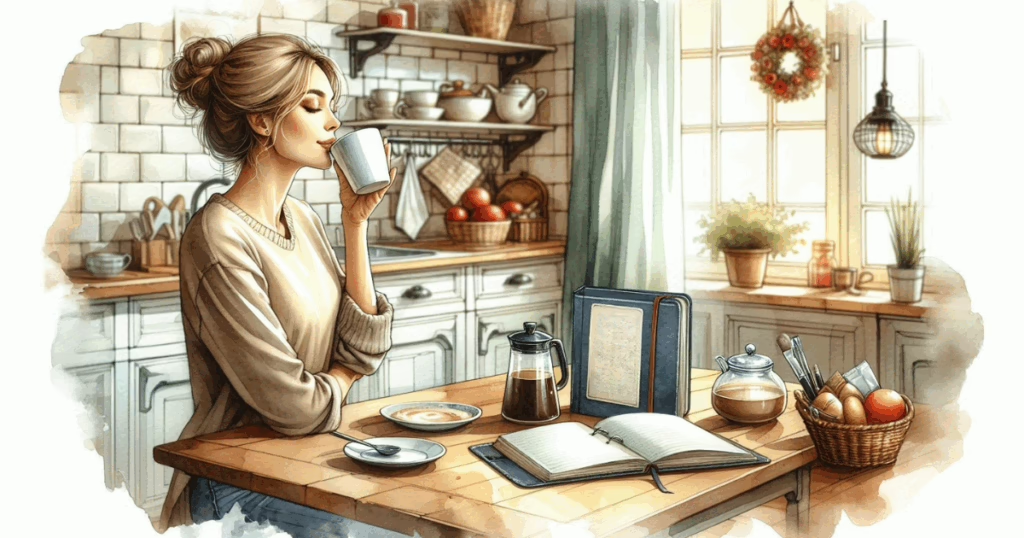
Hey there, fellow caffeine queen! Welcome to the ultimate playground for coffee lovers – your very own Coffee Recipe Bible, packed with everything you need to transform your daily brew from “meh” to “OMG, that’s amazing!” Whether you’re a total newbie wondering how to make a decent cup without setting off the smoke alarm, or a seasoned sipper looking for new ways to spice up your sacred coffee ritual, you’ve landed in the right spot.
Forget boring, forget basic. We’re diving deep into the world of homemade coffee drinks, from mastering the classics to whipping up creative coffee concoctions that’ll make your tastebuds sing (and probably get you a ton of likes on Insta). Think rich espressos, dreamy lattes, refreshing iced coffee recipes, decadent coffee cocktails, and so much more. This guide is your permission slip to experiment, explore, and become the barista of your own blissful coffee universe. So, grab your favorite mug, and let’s get brewing!

Before we jump into the exciting world of recipes, let’s talk about the star of the show: the coffee bean itself! Understanding a few basics here will seriously level up your coffee game, no matter how you brew it.


The roasting process is where green coffee beans transform into the brown, aromatic nuggets we know and love. The roast level dramatically impacts the flavor:

Okay, this is a BIG one. Using the correct coffee grind size for your brewing method is absolutely crucial for a delicious cup. If your grind is too coarse, your coffee will be weak and under-extracted (sour, thin). If it’s too fine, it’ll be over-extracted (bitter, harsh).


Pro-Tip: Invest in a good burr grinder if you can! Grinding your beans fresh right before brewing makes a world of difference in flavor and aroma compared to pre-ground coffee.
Now that you’re a bean and grind guru, let’s explore some of the most popular coffee brewing methods. Each one has its own personality and creates a unique coffee experience. Don’t be afraid to experiment and find your favorites!

This is likely the workhorse in many kitchens, and for good reason! It’s convenient for making multiple cups.
What you get: A clean, consistent cup.
Tips for success: Use filtered water, the right grind (medium), and don’t leave coffee sitting on the hot plate for too long (it gets bitter!). Clean your machine regularly!

The French press (or cafetière) uses an immersion brewing method, meaning the grounds steep directly in the water.
What you get: A full-bodied, rich coffee with more oils and fine sediment, leading to a lovely mouthfeel.
How to: Add coarse grounds to the press, pour in hot water (just off the boil, about 200°F or 93°C), let it steep for about 4 minutes, then slowly press the plunger down. Voila!
Pour over coffee is a manual brewing method that gives you a lot of control over the extraction process. It involves pouring hot water in a slow, circular motion over coffee grounds in a filter cone (like a Hario V60 or Kalita Wave).
What you get: An incredibly clean, clear, and nuanced cup that highlights the coffee’s origin flavors.
Why we love it: It’s a mindful ritual, and the results are totally worth the effort. Plus, the gear looks super stylish on your counter!

Espresso is concentrated coffee brewed by forcing a small amount of nearly boiling water under pressure through finely-ground coffee beans. It’s the base for lattes, cappuccinos, macchiatos, and more.
What you get: A rich, intense shot with a beautiful layer of reddish-brown crema on top.
At-home options: From manual espresso makers to fancy automatic machines, there are ways to make espresso at home without needing a café setup.
We touched on this earlier, but cold brew deserves its own spotlight! Coffee grounds are steeped in cold or room-temperature water for 12-24 hours.

What you get: A super smooth, low-acid coffee concentrate that’s naturally sweeter. Perfect for sensitive stomachs and hot days.
Endless possibilities: Dilute with water or milk, serve over ice, or use it as a base for creative coffee drinks.
AeroPress: A versatile and portable brewer loved for its clean cup and quick brew time. It uses air pressure to push water through the grounds.
Moka Pot (Stovetop Espresso): A classic Italian way to make strong, espresso-like coffee on your stovetop.

Alright, let’s talk about the superstar of warm weather (or any weather, who are we kidding?): iced coffee! If you think iced coffee is just leftover hot coffee poured over ice, honey, we need to upgrade your chill game. Get ready to dive into a world of refreshing, energizing, and utterly Instagrammable iced coffee recipes that you can whip up right in your own kitchen.
Sure, you can just chill leftover coffee, but for the best flavor, brew it a bit stronger than usual so the ice doesn’t water it down too much. Our favorite quick method? The Japanese iced coffee method: brew your hot coffee (pour over or drip works great) directly over ice in your carafe or cup. It flash-chills the coffee, locking in all those gorgeous aromatics and preventing that stale, oxidized taste. Game changer!

Pro-Tip: Make coffee ice cubes! Use leftover cooled coffee to make ice cubes. As they melt, they add more coffee flavor instead of diluting your precious drink. Genius, right? You can even freeze milk or creamer in ice cube trays for an extra creamy touch.
If you haven’t jumped on the cold brew recipe train yet, what are you waiting for? As we mentioned, cold brew is made by steeping coffee grounds in cold water for 12-24 hours. The result? A super smooth, low-acid coffee concentrate that’s naturally sweet and incredibly versatile. It’s also way less bitter than traditionally brewed coffee that’s been chilled.

We’ll walk you through making a big batch of cold brew concentrate (it lasts beautifully in the fridge for up to two weeks!), and then show you how to turn it into everything from a simple iced coffee with a splash of your favorite milk to a fancy vanilla sweet cream cold foam topped masterpiece that rivals your favorite coffee shop. Trust us, your mornings are about to get a serious upgrade.
This is where your inner coffee artist can truly shine! Your homemade iced coffee doesn’t have to be plain. Let’s jazz it up:

Who says lattes are just for chilly days? An iced latte is simply espresso (or strong coffee) mixed with cold milk and poured over ice. It’s creamy, dreamy, and endlessly customizable with your favorite syrups and milks. We’ll explore how to make the perfect one at home, even if you don’t have an espresso machine.

There’s something incredibly comforting and luxurious about a perfectly made latte or cappuccino. And guess what? You don’t need to be a professional barista with a giant, intimidating machine to enjoy these foamy delights at home!

It’s all about the ratios of espresso, steamed milk, and foam!

The key to a great latte or cappuccino is beautifully textured milk – smooth, velvety, and with tiny microbubbles (not big, soapy ones!).


This is where you get creative!

Who says coffee is just for mornings? When your favorite brew meets the world of mixology, magical things happen! Whether you’re looking for a sophisticated evening sipper or a fun, booze-free treat, coffee can be the star.


Think beyond the classics! Coffee pairs beautifully with many spirits:

Experiment Tip: Try infusing spirits like vodka or rum with whole coffee beans for a few days to create your own coffee-flavored base!
You don’t need alcohol to create a sophisticated and exciting coffee drink!

Coffee is a global language, and every culture has its own unique way of preparing and enjoying it. Why not take your taste buds on a trip without leaving your kitchen? Exploring global coffee recipes is a fantastic way to discover new flavors and traditions.


You’ve got the beans, the brews, and the inspiration! Here are a few extra pro tips to ensure every cup you make is café-quality (or even better!).
Your coffee is about 98% water, so using good quality water makes a HUGE difference. Filtered water is your best friend. Avoid tap water if it’s very hard or has a strong chlorine taste, as this will affect your coffee’s flavor.

Beyond regular sugar, explore:

We talked about frothing, but consider the flavor profiles too:

Coffee’s enemies are air, light, heat, and moisture. Store your whole beans in an airtight, opaque container at room temperature.

Avoid the freezer if you’re using the beans daily (condensation is bad!), but for long-term storage (weeks/months), it can be okay if done properly (vacuum-sealed, don’t take them in and out).
Best practice: Buy smaller batches of fresh, whole beans more frequently and grind just before brewing.

And there you have it – your passport to a world of incredible coffee, made by YOU! We hope this guide has buzzed you with excitement, sparked your curiosity, and given you the confidence to experiment with different beans, brews, and brilliant concoctions. From mastering that perfect French press technique to whipping up an aesthetic iced coffee or a comforting homemade vanilla latte, the power is in your hands.
Remember, the best coffee is the coffee *you* love. So, get those beans grinding, that water heating (or chilling!), and start your delicious coffee adventure. This is just the beginning! Don’t forget to explore our more detailed guides and specific recipe collections linked throughout this hub for even more inspiration.
Happy brewing, caffeine divas! Go forth and caffeinate fabulously!


Welcome to our Energy Empire, where bold coffee and sweet indulgences fuel creativity and connection! Grab a cup, explore tasty treats, and join us in making every sip an adventure. ☕